|

|
|
The season’s changing, and so is everything else. In this edition:
|

|
|
|
|
|
|
The season’s changing, and so is everything else. In this edition:
|
|
|
|
|||
|
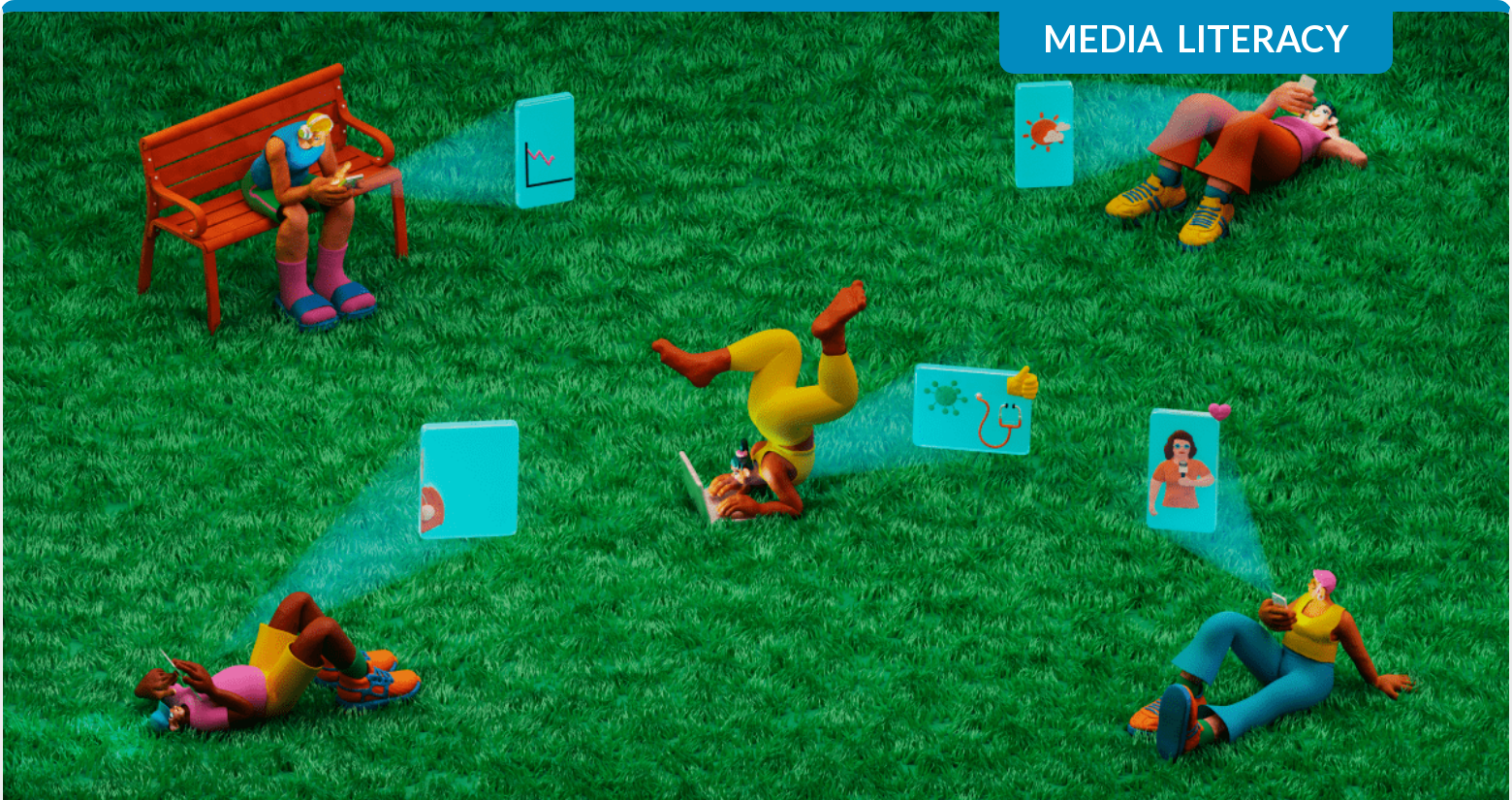
Young Adults Trust Social Media News as Much as Traditional Sources A growing number of young adults are turning away from traditional news — not because they don’t care, but because they consume it differently. A new Pew Research Center report finds that while 93% of adults under 30 at least sometimes get news from digital devices, only 41% say they trust national news organizations, and the same share trust local outlets. By contrast, half (50%) trust the information they get from social media sites, putting platforms like TikTok, Instagram, and YouTube on par with traditional sources. What’s driving this shift? Many 18-to-29-year-olds say they encounter news incidentally — 70% report coming across political news rather than seeking it out — and they are more likely than older adults to rely on news influencers, podcasts, and social creators for context and perspective. While older generations prefer television or print, young adults gravitate toward formats that feel more personal, transparent, and relevant to their daily lives. The challenge for journalism? Younger audiences aren’t rejecting facts — they’re rejecting formats that feel detached or sensational. Rebuilding trust may depend less on authority and more on clarity, humility, and storytelling that connects lived experience to the bigger picture.
|
|||
|
|
|
|||
|
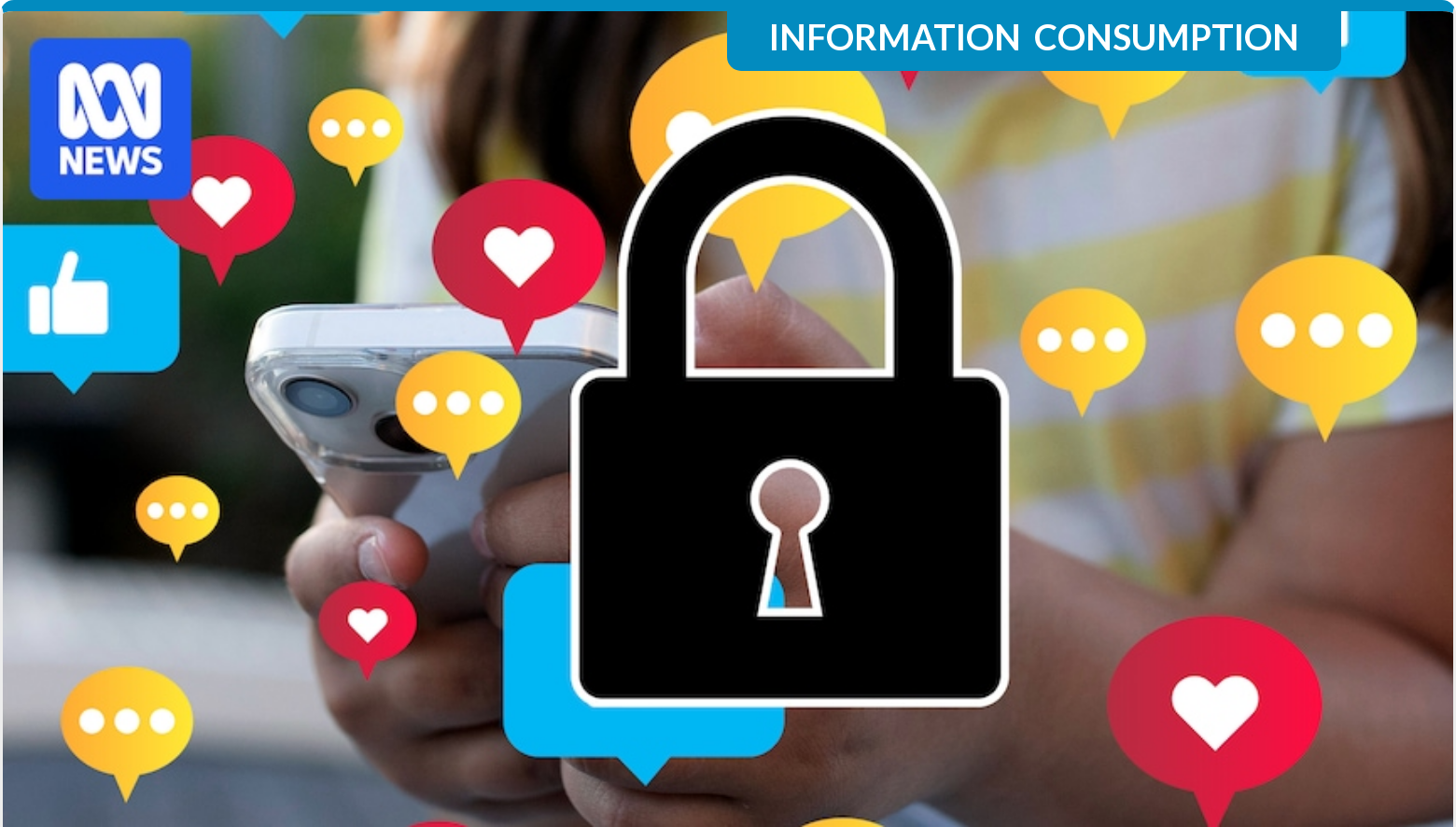
When Social Media Gets a Time‑Out: Teens, Apps & Content Rules As concerns about youth mental health and digital safety grow, lawmakers are moving to limit teen access to social media. Australia is leading the charge with new rules requiring platforms to block users under 16 from creating accounts. The law, an amendment to the Online Safety Act, officially takes effect on December 10, though Meta began removing underage accounts on Instagram, Facebook, and Threads from December 4. Key Points:
|
|||
|
|
|
|
|||
|
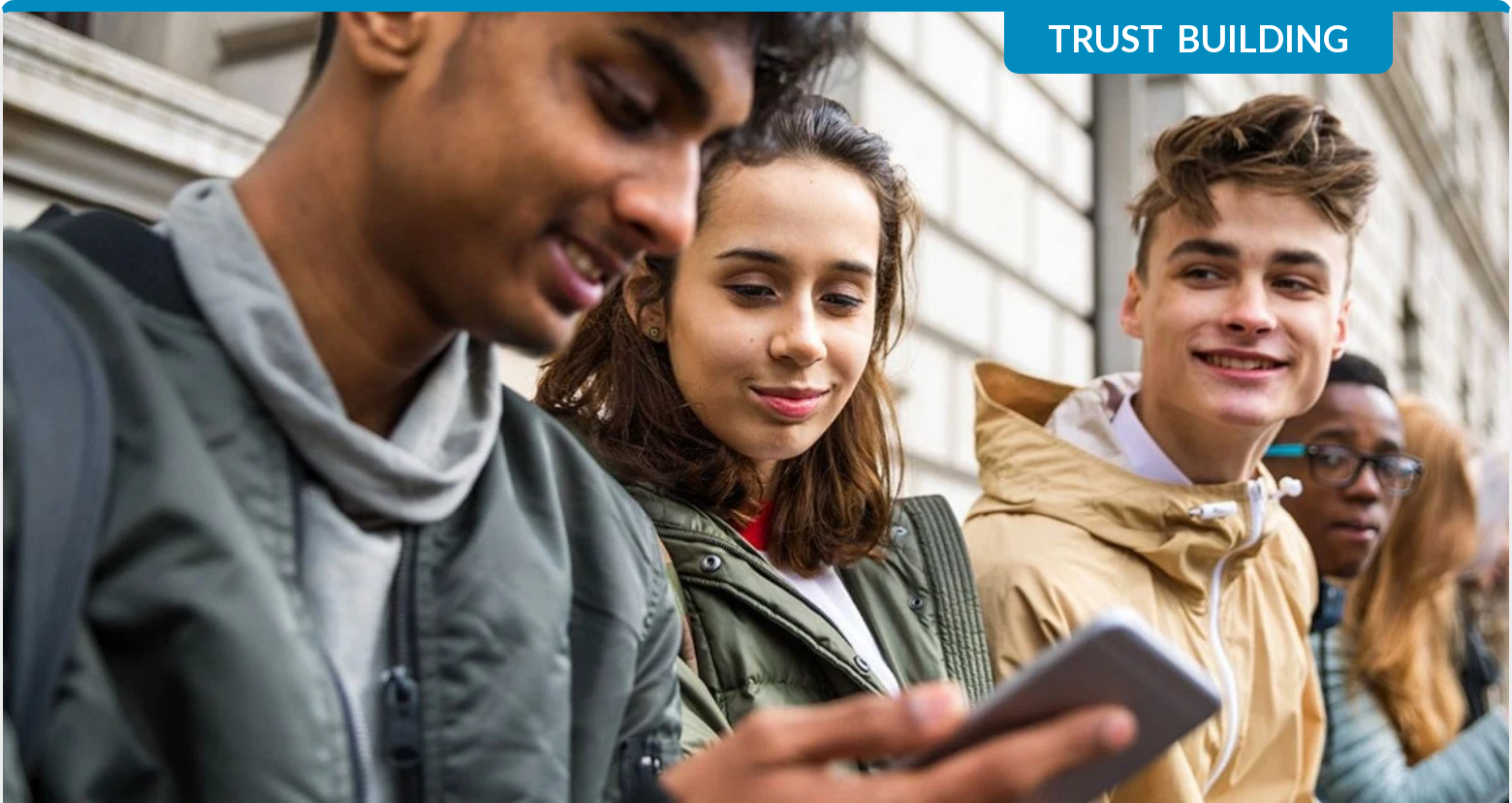
Why Teen Distrust in News Is Making Headlines For Gen Z and Gen Alpha, the news doesn’t just feel broken — it feels disconnected. A new study by the News Literacy Project finds that most teens hold negative views of the news media and carry significant misconceptions about how journalism works. Instead of seeing news as a trusted civic resource, many associate it with bias, exaggeration, or sensationalism. What’s behind the disconnect? Teens report that coverage often feels like it’s written about them, not for them, leaving them alienated from the conversation. The study also shows that while teens regularly encounter headlines, they lack the tools to interpret or vet information effectively.
|
|||
|
|
|
|
|||
|
A “Good Enough” Holiday Might Actually Be the Best One Let’s face it, the pressure to make the holidays magical can backfire. Instead of chasing a picture-perfect season, mental health experts suggest aiming for something more realistic: a good-enough holiday. That mindset shift alone can help ease tension, lower expectations, and keep disappointment at bay. Some things to keep in mind:
|
|||
|
|

|
|||
|
Can We Build Smart AI Without Doing Something Stupid? When it comes to artificial general intelligence (AGI), the biggest risks may not come from rogue robots—but from humans refusing to cooperate. Global distrust among powerful nations could make safe AGI development nearly impossible. Think of it like the Prisoner’s Dilemma: if countries don’t work together, everyone loses. Nations are locked in a race for tech dominance, each fearing the other will act recklessly if left unchecked. That fear fuels secrecy over transparency. Without global trust and shared guardrails, AGI could shift from breakthrough to breakdown. The real question isn’t if we can build smarter machines—it’s if we’re wise enough to manage them together.
|
|||
|
|
|


|
|
|
|
|
Copyright © Getting Better Foundation. All rights reserved. |